

What Florida Trucking Rules Matter Most in Injury Claims? (What Victims Need to Know)
Bill Allen | May 15, 2026 | Uncategorized
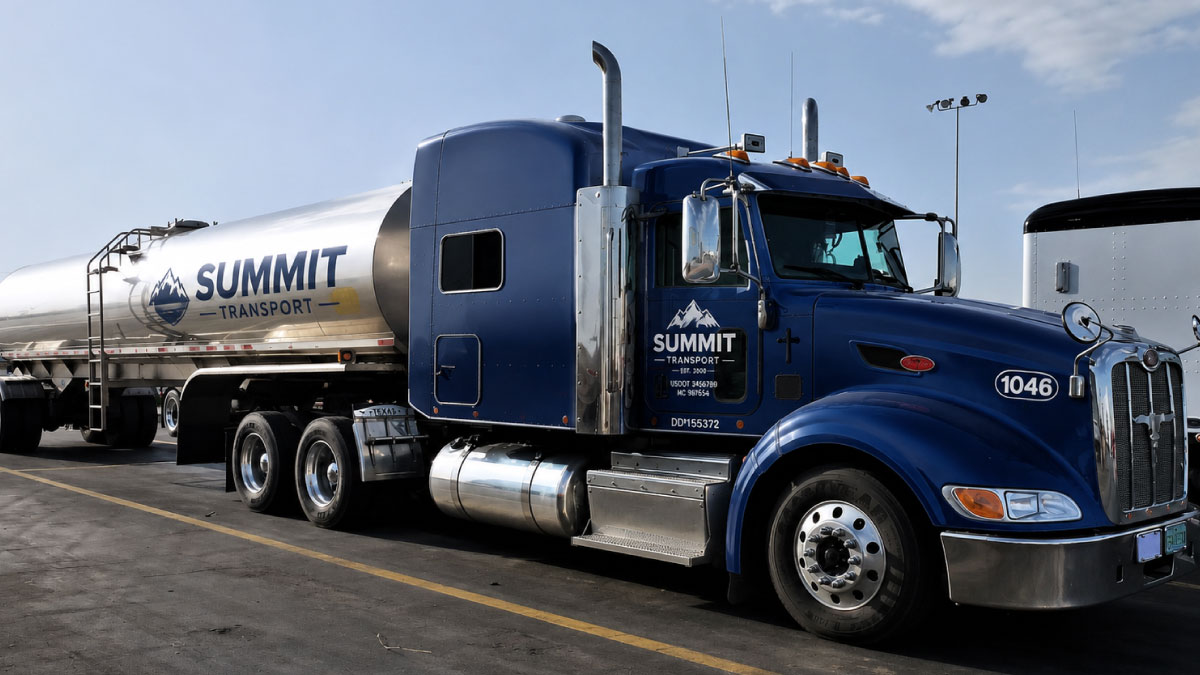
Florida trucking rules directly affect liability in truck accident claims because commercial drivers and trucking companies must follow federal and state safety regulations. Violations involving driver fatigue, licensing, maintenance, or insurance requirements can become powerful evidence supporting injury claims and compensation.
Truck accident cases are often more complicated than standard car accident claims because commercial trucking companies operate under extensive federal and state regulations. After a serious crash, many victims wonder whether the truck driver or company violated important safety rules that contributed to the accident.
Understanding how trucking regulations affect injury claims can help accident victims recognize why these cases require deeper investigation and stronger evidence. Violations of trucking laws often become central issues during insurance negotiations and lawsuits involving catastrophic injuries.
If you were injured in a Florida truck accident, Allen Law Accident & Injury Lawyers can help investigate potential trucking violations and protect your rights. Visit the contact page or call us for a free consultation.
Why Trucking Regulations Matter in Injury Claims
Trucking regulations exist to improve road safety and reduce serious commercial vehicle accidents. When trucking companies or drivers violate these rules, the violations may serve as evidence of negligence and strengthen injury claims against those responsible for the crash.
Unlike ordinary drivers, commercial trucking operations must follow strict federal and state safety standards covering:
- Driver qualifications
- Hours-of-service limits
- Vehicle inspections
- Maintenance procedures
- Cargo loading
- Insurance requirements
When these rules are ignored, accident victims may have stronger legal claims because the violations help show that the driver or trucking company failed to operate safely.
Key Trucking Rules That Impact Injury Claims
| Rule | What It Regulates | Why It Matters in a Claim |
| Hours of Service | Driving limits | Fatigue-related liability |
| CDL Requirements | Driver qualifications | Unqualified driver risk |
| Maintenance rules | Vehicle safety | Mechanical failure liability |
| MCS-90 | Insurance coverage | Helps ensure compensation |
| Lane restrictions | Driving behavior | Traffic violation evidence |
What Is Considered a Commercial Vehicle?
A commercial vehicle is generally a vehicle used for business purposes that meets certain weight, passenger, or cargo thresholds under state or federal law. This classification matters because commercial vehicles are subject to additional safety regulations that may affect liability after an accident.
Commercial vehicles may include:
- Semi-trucks
- Tractor-trailers
- Delivery trucks
- Box trucks
- Tanker trucks
- Certain buses
Whether a vehicle qualifies as commercial can directly affect:
- Applicable regulations
- Insurance requirements
- Driver licensing rules
- Available evidence in the claim
Commercial vehicle classification often increases the complexity of accident investigations because more regulations and corporate responsibilities may apply.
Interstate vs Intrastate Trucking: Why It Matters
Interstate trucking involves transporting goods across state lines, while intrastate trucking occurs entirely within Florida. This distinction matters because interstate trucking operations are generally governed more heavily by federal regulations.
Interstate trucking companies usually must comply with Federal Motor Carrier Safety Administration rules involving:
- Driver hours
- Maintenance requirements
- Recordkeeping
- Insurance standards
Intrastate trucking may still follow many similar rules under Florida law, but regulatory oversight can differ depending on the operation.
In injury claims, determining whether the trucking company operated interstate or intrastate may affect:
- Applicable safety regulations
- Insurance obligations
- Evidence requirements
- Liability analysis
Commercial Driver’s License (CDL) Requirements
Commercial truck drivers must meet licensing requirements designed to ensure they are qualified to operate large or hazardous vehicles safely. When drivers lack proper licensing or training, it may strengthen liability claims after a crash.
What Types of Commercial Driver’s Licenses Exist?
Different classes of CDLs apply to different commercial vehicles.
Common CDL classifications include:
- Class A for tractor-trailers and combination vehicles
- Class B for large single vehicles such as box trucks
- Class C for certain passenger or hazardous material vehicles
Specific endorsements may also be required for hazardous cargo or passenger transportation.
When Is a CDL Required for a Truck or Box Truck?
Many large commercial trucks and some box trucks require commercial driver licensing depending on the vehicle’s weight and use. Employers who allow unqualified drivers to operate commercial vehicles may face increased liability after accidents.
Failure to verify licensing or training may help establish negligence claims against the trucking company.
What Happens If the Driver Was Unqualified?
If the driver lacked the required CDL, endorsements, or proper training, the trucking company may face claims for negligent hiring, supervision, or retention.
Evidence involving driver qualifications can significantly affect:
- Liability disputes
- Settlement negotiations
- Jury evaluations
Hours of Service Rules (Driver Fatigue Laws)
Hours-of-service rules limit how long commercial truck drivers may operate vehicles without rest. These regulations exist because driver fatigue is one of the leading causes of serious truck accidents in Florida and nationwide.
Federal regulations generally require:
- Maximum driving limits
- Mandatory rest breaks
- Off-duty periods
- Electronic logging requirements
Electronic Logging Devices often track driving time and may become important evidence after a crash.
Violations of hours-of-service rules may help prove that fatigue contributed to the accident.
Fatigued drivers may experience:
- Slower reaction times
- Poor judgment
- Reduced concentration
- Increased crash risk
Because fatigue-related trucking accidents often involve serious injuries, insurers and trucking companies frequently fight these claims aggressively.
How Many Hours Can a Trucker Legally Drive?
Federal trucking regulations generally limit commercial drivers to a maximum number of driving hours before rest is required. These rules are intended to reduce fatigue-related crashes involving large commercial vehicles.
Although exact rules vary depending on circumstances, commercial drivers are typically restricted regarding:
- Daily driving hours
- Consecutive work periods
- Weekly driving totals
Drivers who exceed legal limits may create major safety risks for others on the road.
In injury claims, driver logs and electronic records are often reviewed carefully to determine whether fatigue-related violations occurred before the accident.
Lane Restrictions and Driving Rules for Trucks
Florida imposes certain roadway restrictions on commercial trucks, including lane-use rules on some highways and interstates. Violations of these traffic rules may become evidence supporting fault in truck accident claims.
Truck-specific roadway rules may involve:
- Left-lane restrictions
- Speed limitations
- Weight restrictions
- Restricted roadway access
If a truck driver violated roadway regulations before the crash, those violations may strengthen the injured victim’s case.
Accident reports, witness statements, and traffic camera footage may help establish these violations.
What Is a DOT-Recordable Accident?
A DOT-recordable accident is a commercial vehicle crash that meets federal reporting requirements established by the Department of Transportation. These accidents generally involve injuries, fatalities, or vehicle towing caused by disabling damage.
DOT-recordable accidents often trigger:
- Mandatory documentation
- Regulatory review
- Company recordkeeping obligations
This information may later become important evidence in injury claims involving commercial trucks.
Accident histories may also reveal patterns of safety violations or negligent company practices.
What Is MCS-90 Insurance Coverage?
MCS-90 is a federal insurance endorsement that helps ensure compensation is available when commercial trucking companies are involved in serious accidents. It may apply in situations where standard insurance coverage disputes arise.
The purpose of MCS-90 is to protect the public by requiring certain interstate carriers to maintain financial responsibility.
This coverage can become important when:
- Insurance coverage is disputed
- Policies contain exclusions
- Liability questions arise
Although MCS-90 issues can become legally complex, they often matter because serious truck accident injuries frequently involve extensive damages and medical expenses.
How Trucking Rule Violations Affect Liability
Violations of trucking regulations can significantly strengthen injury claims because they may help show that the truck driver or trucking company acted negligently. In some situations, safety violations become strong evidence supporting fault and compensation claims.
For example:
- Fatigue violations may support driver negligence
- Maintenance failures may support company liability
- CDL violations may support negligent hiring claims
Truck accident cases may also involve multiple liable parties simultaneously.
Potential defendants may include:
- Drivers
- Trucking companies
- Maintenance contractors
- Cargo loading companies
Because trucking violations often require detailed investigation, these cases are usually far more complex than ordinary car accident claims.
What Evidence Is Used to Prove Trucking Violations?
Truck accident investigations often involve specialized evidence that is not typically present in standard car accident claims. Preserving this evidence early can be critical because some records may disappear or be altered over time.
Important evidence may include:
- Driver logs
- Electronic logging device data
- Black box information
- Maintenance records
- Inspection reports
- Employment records
- Dispatch communications
Much of this evidence remains under the trucking company’s control immediately after the accident.
Early legal action may help preserve records before they are lost or destroyed.
Common Violations That Lead to Truck Accidents
Many serious truck accidents involve preventable safety violations committed by drivers or trucking companies.
- Driver fatigue
- Poor vehicle maintenance
- Improper cargo loading
- Inadequate driver training
- Speeding
- Distracted driving
- Hours-of-service violations
- Defective equipment
These violations often become central issues during settlement negotiations and litigation.
What Damages Can You Recover in a Truck Accident Case?
Truck accident victims may recover compensation for both financial losses and personal harm caused by the crash. Because truck accidents often cause catastrophic injuries, damages can be substantial.
Potential compensation may include:
- Medical expenses
- Future medical treatment
- Lost wages
- Reduced earning capacity
- Pain and suffering
- Emotional distress
- Long-term rehabilitation costs
Serious injuries may also require lifelong care or permanent lifestyle adjustments, increasing the overall value of the claim.
What Mistakes Should You Avoid After a Truck Accident?
Avoiding common mistakes after a truck accident can help preserve evidence and protect your injury claim.
- Failing to preserve evidence
- Speaking extensively with insurance adjusters
- Delaying medical treatment
- Not documenting injuries
- Waiting too long to contact a lawyer
- Accepting quick settlement offers
Because trucking companies often respond aggressively after accidents, mistakes early in the process can weaken otherwise strong claims.
When Should You Contact a Truck Accident Lawyer?
You should contact a truck accident lawyer immediately if you suffered serious injuries, suspect trucking rule violations, or are dealing with multiple parties and insurance companies after a commercial truck accident. Early legal action can help preserve evidence and strengthen your claim.
A lawyer may help when:
- Driver fatigue is suspected
- Trucking violations may exist
- Injuries are catastrophic
- Insurance companies dispute liability
- Multiple defendants are involved
Truck accident investigations often require detailed review of federal regulations, company records, and technical evidence. You can also learn more about Allen Law Accident & Injury Lawyers on the attorneys page.
Ready to Talk to a Florida Truck Accident Lawyer?
Truck accident cases often involve complicated federal regulations, multiple insurance policies, and powerful trucking companies working to protect themselves after serious crashes. When trucking rule violations contribute to an accident, strong evidence and early investigation can make a major difference in the outcome of the claim.
Allen Law Accident & Injury Lawyers helps injured victims investigate trucking violations, preserve evidence, negotiate with insurers, and pursue compensation for serious injuries and long-term losses.
If you believe a trucking rule violation contributed to your accident, contact us today through the contact page or call us for a free consultation.
Frequently Asked Questions
What trucking laws apply in Florida?
Florida commercial trucking operations are generally subject to both federal and state regulations involving driver qualifications, hours-of-service limits, maintenance standards, insurance requirements, and vehicle safety rules. Interstate trucking companies must also comply with Federal Motor Carrier Safety Administration regulations.
How many hours can a truck driver legally drive?
Federal hours-of-service regulations limit how long commercial truck drivers may operate without rest. These rules include maximum driving periods, required breaks, and off-duty requirements intended to reduce fatigue-related accidents involving commercial vehicles.
What is MCS-90 insurance?
MCS-90 is a federal insurance endorsement that helps ensure compensation is available after certain commercial truck accidents. It may apply when coverage disputes arise involving interstate trucking companies and serious injury claims.
Do all truck drivers need a CDL?
Not every commercial vehicle requires a CDL, but many large trucks and some box trucks do depending on weight and use. Drivers operating commercial vehicles without proper licensing or endorsements may create additional liability for themselves and their employers.
How do trucking violations affect an injury case?
Trucking violations may strengthen injury claims because they can serve as evidence of negligence. Violations involving driver fatigue, maintenance failures, or licensing problems often become important during settlement negotiations and lawsuits.
What evidence proves trucking violations?
Evidence commonly used in truck accident claims includes driver logs, electronic logging device data, black box information, maintenance records, employment records, inspection reports, and dispatch communications.
Why are truck accident cases more complicated than car accident cases?
Truck accident cases are more complicated because they often involve federal regulations, multiple liable parties, corporate insurance policies, and specialized evidence. Serious injuries and higher financial exposure also lead trucking companies and insurers to defend claims aggressively.