

What Should You Do After a Bicycle Accident in Florida?
Bill Allen | October 6, 2026 | Uncategorized
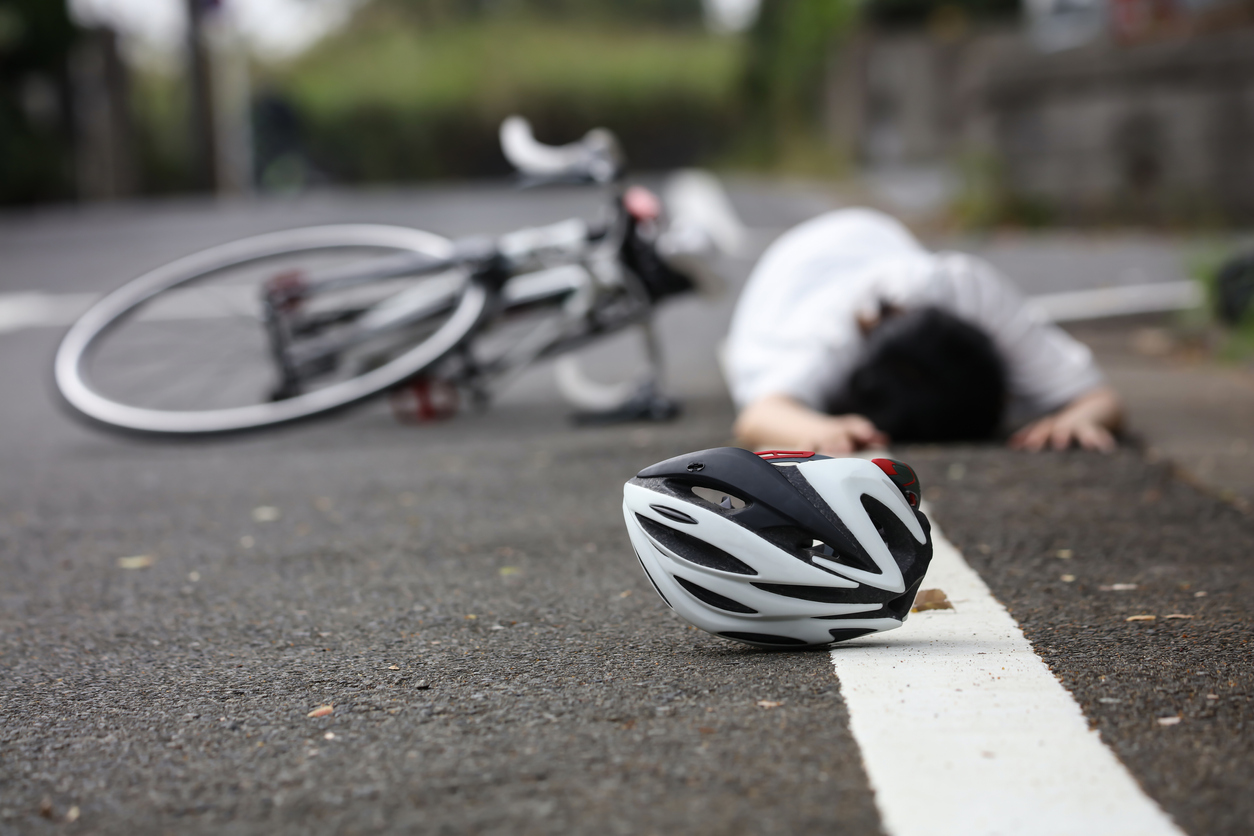
A bicycle accident in Florida requires a clear sequence of actions to protect both physical health and any future injury claim. Immediate steps, including ensuring safety, calling emergency services, documenting the scene, and seeking medical care, each serve a distinct purpose in the aftermath of a crash. Florida ranks among the most dangerous states in the country for cyclists, given the combination of heavy traffic volume and limited dedicated cycling infrastructure. Following the correct sequence protects a rider’s health while preserving evidence that strengthens a claim against a negligent driver.
The recommendations on what to do after a bicycle accident in Florida are listed below.
- Ensure Your Safety and Move to a Safe Area: The first priority after any bicycle accident is getting out of harm’s way before anything else.
- Call 911 and Report the Bicycle Accident: Alerting emergency services quickly sets the entire documentation process in motion.
- Seek Immediate Medical Attention: A prompt medical evaluation catches injuries that adrenaline often hides in the moments after a crash.
- Check for Injuries and Assist Others if Possible: A quick, careful self assessment comes next, followed by checking on anyone else involved.
- Document the Accident Scene with Photos and Videos: Capturing the scene visually locks in evidence before conditions change or memories fade.
- Collect Driver, Witness, and Insurance Information: Gathering contact and policy details at the scene prevents complications when pursuing a claim later.
- Do Not Admit Fault or Discuss Liability: Staying quiet on the question of blame protects a cyclist’s legal standing before the facts are fully known.
- Obtain a Copy of the Police Report: Securing the official report gives a cyclist the documented account insurers and courts will rely on.
- Notify your Insurance Company: Reporting the crash to an insurer promptly keeps available coverage options open and on track.
- Contact a Florida Bicycle Accident Attorney: Bringing in legal representation early helps protect a cyclist’s rights from the very start of the process.
1. Ensure your Safety and Move to a Safe Area
Moving to a safe area immediately after a bicycle accident prevents a second collision with oncoming traffic. A cyclist assesses surroundings quickly, then relocates to a sidewalk, shoulder, or grassy area away from moving vehicles when physically able. This step matters significantly, since remaining in an active roadway creates serious risk even after the initial collision has ended. Attributes of a safe area include visibility to approaching drivers, distance from traffic lanes, and a stable surface free of additional hazards. A cyclist unable to move safely due to injury should remain still and wait for emergency responders rather than risk further harm.
2. Call 911 and Report the Bicycle Accident
Calling 911 immediately creates an official emergency response and begins the documentation process central to any future claim. Dispatchers send police and medical personnel to the scene, ensuring injuries receive prompt attention and the incident receives formal documentation. This step carries significant importance, since a police response often determines whether a usable crash report exists later. Reporting the accident includes providing the location, a brief description of the incident, and any visible injuries observed at the scene. Cyclists involved in even minor collisions benefit from calling 911, since some injuries and liability disputes only become apparent after the fact.
3. Seek Immediate Medical Attention
Seeking immediate medical attention addresses injuries that may not present obvious symptoms right after a bicycle accident. Adrenaline frequently masks pain, allowing serious injuries, including internal bleeding or fractures, to go unnoticed for hours after the initial impact. This step holds particular importance for legal purposes, since a documented medical evaluation connects the injury directly to the accident date. Emergency responders on scene provide initial assessment, while a follow up visit to a hospital or physician confirms the full extent of the harm. Cyclists who decline treatment at the scene risk both worsening health outcomes and a weaker evidentiary record supporting a future claim.
4. Check for Injuries and Assist Others if Possible
Checking for injuries immediately after a crash helps a cyclist understand the full scope of harm before deciding on next steps. A rider assesses pain, mobility, and consciousness carefully, avoiding sudden movement that could aggravate a hidden spinal or head injury. This step matters significantly when other parties, including a driver or pedestrian, were also involved in the collision. Assisting others includes calling for help, applying basic first aid when trained, and avoiding unnecessary movement of anyone showing signs of serious injury. Cyclists traveling in a group check on fellow riders as well, since a chain reaction crash sometimes affects multiple people simultaneously.
5. Document the Accident Scene with Photos and Videos
Documenting the accident scene with photos and videos preserves visual evidence that frequently disappears within hours of the collision. A cyclist photographs the bicycle damage, roadway conditions, vehicle positions, and any visible injuries before anything gets moved or repaired. This step carries substantial importance for legal purposes, since photographic evidence corroborates the factual account presented during a later insurance claim or lawsuit. Useful examples include wide shots of the full scene, close ups of specific damage, and images of relevant traffic signals or signage nearby. Video footage capturing the surrounding area sometimes reveals additional context that a photograph alone fails to capture fully.
6. Collect Driver, Witness, and Insurance Information
Collecting driver, witness, and insurance information creates a record connecting every relevant party to the incident. A cyclist obtains the driver’s name, contact information, license number, and insurance policy details directly at the scene when possible. This step matters significantly, since missing contact information later complicates identifying and pursuing the liable party. Witness information, including names and phone numbers, provides corroborating testimony that strengthens a disputed liability claim. Cyclists lacking pen and paper can photograph a driver’s license and insurance card directly using a phone camera for accuracy.
7. Do Not Admit Fault or Discuss Liability
Avoiding any admission of fault protects a cyclist’s legal position before a full investigation determines what actually caused the crash. Statements made at the scene, even casual remarks like an apology, sometimes get used later to argue the cyclist bears partial responsibility. This step holds considerable importance, since Florida’s comparative negligence system reduces compensation proportionally based on assigned fault percentage. Cyclists should describe only observed facts to police and insurers, avoiding speculation about cause or blame during the initial conversation. Discussing liability with an attorney first, rather than with the other driver or an insurance adjuster, protects the strength of the eventual claim.
8. Obtain a Copy of the Police Report
Obtaining a copy of the police report provides an official record supporting the facts surrounding the bicycle accident. Officers document driver and cyclist information, witness statements, and their own observations regarding fault and contributing factors. This step carries significant importance, since insurers and courts rely heavily on the police report when evaluating a claim. Reports typically become available through the local police department or the Florida Crash Portal within 7 to 10 days after the incident. Cyclists reviewing the report should verify accuracy immediately, since a mistaken detail can complicate an otherwise straightforward claim.
9. Notify your Insurance Company
Notifying an insurance company promptly satisfies policy requirements while beginning the claims process for available compensation. A cyclist reports the incident factually, providing basic details without speculating about fault or estimating injury severity prematurely. This step matters significantly, since Florida’s Personal Injury Protection coverage extends to cyclists struck by a motor vehicle, even without owning a car personally. Reporting examples include contacting a household auto policy provider or, when no household policy exists, exploring coverage through the at fault driver’s insurer. Delayed reporting sometimes complicates a claim, since insurers scrutinize gaps between the accident date and the notification date closely.
10. Contact a Florida Bicycle Accident Attorney
Contacting a Florida bicycle accident attorney protects a cyclist’s legal rights while an insurer or opposing party begins building its own case. An attorney investigates the crash, gathers additional evidence, and communicates directly with insurance adjusters on the cyclist’s behalf. This step holds considerable importance for injuries involving significant medical treatment, disputed liability, or a denied insurance claim. Attorneys work on contingency in most cases, meaning a cyclist pays nothing upfront regardless of the case’s outcome. Early consultation, ideally within days of the accident, preserves evidence and prevents costly mistakes during the claims process.
What does a Florida Bike Accident Attorney do?
A Florida bike accident attorney investigates the crash, gathers evidence, and identifies every party potentially liable for the cyclist’s injuries. Investigation typically includes reviewing the police report, interviewing witnesses, and analyzing traffic camera or surveillance footage when available. Attorneys prove liability by connecting a driver’s specific conduct, including a failed yield or an unsafe pass, directly to the resulting collision. Negotiation with insurance companies follows, as the attorney presents a demand package supported by medical records and documented damages. Legal representation helps injured cyclists recover fair compensation by counterbalancing an insurer’s tendency to minimize or dispute a rider’s claim through a qualified Bike Accident Attorney.
When should you Hire a Florida Bike Accident Attorney?
Hiring a Florida bike accident attorney becomes advisable soon after a crash involving significant injury, disputed liability, or a denied insurance claim. Cases involving fractures, head trauma, or long term treatment particularly benefit from early legal involvement, since damages calculations grow more complex. Attorneys help preserve evidence quickly, an advantage that diminishes considerably as witness memories fade and physical evidence disappears. Riders facing an insurer’s lowball settlement offer benefit from representation, since attorneys frequently negotiate substantially higher compensation than an unrepresented claimant receives. Consulting an attorney costs nothing upfront in most cases, removing financial barriers that might otherwise delay a cyclist from seeking help.
How can a Personal Injury Lawyer Help Bike Accident Victims?
A personal injury lawyer helps bike accident victims by organizing medical documentation into a clear narrative connecting the injury to the crash. Liability analysis follows, as the attorney examines traffic law violations, witness accounts, and physical evidence to establish the driver’s fault. Settlement negotiations benefit significantly from legal representation, since attorneys understand typical compensation ranges and resist lowball offers from insurance adjusters. Legal strategy improves recovery considerably, particularly in cases involving comparative negligence disputes or multiple potentially liable parties. Injured cyclists gain a stronger negotiating position throughout the process by working with a qualified Personal Injury Attorney.
Can Lawyers Increase Bicycle Accident Settlement Value?
Yes, lawyers frequently increase bicycle accident settlement value compared to what an unrepresented cyclist typically receives from an insurer. Attorneys understand how to document damages comprehensively, including future medical costs and lost earning capacity that victims often overlook. Insurance companies generally take a represented claim more seriously, since litigation becomes a credible possibility once an attorney gets involved. Negotiation skill and familiarity with comparable case outcomes help attorneys counter an insurer’s initial lowball offer effectively. Cyclists working with experienced legal representation consistently report stronger financial outcomes than those who negotiate directly with an insurance adjuster.
What Bicycle Accident Victims Need to Know About Personal Injury Cases in Florida
Florida personal injury law applies specific rules to bicycle accident claims that every injured cyclist should understand before pursuing compensation.
The key considerations bicycle accident victims should know are listed below.
- Negligence standards: Establishing a driver’s negligence requires proof of duty, breach, causation, and damages connected directly to the crash.
- Insurance coverage: Florida’s no-fault system extends Personal Injury Protection benefits to cyclists struck by a motor vehicle, covering a portion of medical costs and lost wages.
- Comparative fault: Florida law reduces compensation proportionally when a cyclist bears partial responsibility, barring recovery entirely if the cyclist is more than 50 percent at fault.
- Filing deadlines: Florida Statute 95.11 generally requires filing a negligence claim within two years of the accident date.
Understanding these rules alongside applicable Florida Bicycle Laws helps injured cyclists build a stronger, well-informed claim.
What Legal Rights do Bicycle Accident Victims Have in Florida?
Bicycle accident victims in Florida hold the same legal rights and duties as motor vehicle drivers under Florida Statute 316.2065. Cyclists retain the right to use most public roadways, requiring drivers to maintain a minimum three-foot passing distance under Florida Statute 316.083. Victims hold the right to pursue compensation from a negligent driver, covering medical expenses, lost wages, and pain and suffering. Comparative negligence principles apply throughout these claims, though a cyclist’s failure to wear a helmet cannot be used as evidence of negligence for adult riders. These legal protections collectively strengthen a cyclist’s position when pursuing fair compensation following a driver-caused collision.
Who is Liable for a Bicycle Accident in Florida?
Liability for a bicycle accident in Florida depends on which party’s negligence directly caused the collision, following standard traffic law and duty of care principles. Drivers frequently bear liability for failing to yield when turning, opening a car door into a cyclist’s path, or passing without maintaining a safe distance. Cyclists occasionally share liability when violating traffic laws, including running a red light or riding against the flow of traffic. Comparative negligence principles apply throughout Florida cases, reducing compensation proportionally based on each party’s percentage of fault. Insurance adjusters frequently assume a cyclist bears fault by default, making a thorough factual investigation particularly important for building an accurate liability case.
Does Car Insurance Cover a Bicycle Accident in Florida?
Yes, car insurance frequently covers a bicycle accident in Florida through Personal Injury Protection coverage attached to a driver’s or a household member’s auto policy. Coverage applies to cyclists struck by a motor vehicle, paying 80 percent of medical expenses and 60 percent of lost wages up to policy limits. Cyclists lacking a household auto policy sometimes qualify for coverage through the at-fault driver’s PIP benefits instead. Policy type and fault rules significantly affect coverage availability, since PIP applies regardless of fault while liability coverage depends on establishing driver negligence. Understanding available PIP Insurance Florida benefits helps injured cyclists identify every potential source of compensation following a crash.
Can you Sue a Driver after a Bicycle Accident?
Yes, an injured cyclist can sue a driver after a bicycle accident when the resulting injury meets Florida’s serious injury threshold under the no-fault system. Qualifying injuries include significant permanent loss of bodily function, permanent injury, significant scarring, or death resulting from the collision. Lawsuits pursue compensation beyond what PIP coverage provides, including pain and suffering and damages exceeding available policy limits. Comparative negligence principles apply throughout litigation, reducing recovery proportionally when the cyclist’s own conduct contributed to the crash. Filing deadlines require action within two years of the accident date under Florida Statute 95.11, making prompt legal consultation particularly important.
What Injuries are Most Common in Bike Accidents in Florida?
Bicycle accidents in Florida frequently produce severe injuries, given a cyclist’s complete lack of structural protection during a collision.
The most common bike accident injuries are listed below.
- Fractures: Broken bones occur frequently in the arms, wrists, and legs, particularly during collisions involving a motor vehicle.
- Head injuries: Traumatic brain injuries and concussions represent some of the most serious outcomes, especially among cyclists riding without a helmet.
- Road rash: Abrasions and lacerations occur when a rider’s skin contacts pavement during a fall, sometimes requiring extensive wound care.
- Spinal injuries: Damage to the spine occasionally results in long term mobility impairment or chronic pain following a serious crash.
Impact severity directly affects both medical and legal outcomes, since catastrophic injuries typically produce substantially higher settlement value than minor Scooter Accidents in Florida involving comparable circumstances.
What Injuries should you Watch for after a Bike Crash?
Cyclists should watch for delayed and hidden injuries that frequently fail to present obvious symptoms immediately following a bike crash. Head injuries, including mild traumatic brain injury, sometimes produce headaches, dizziness, or confusion that develop gradually over subsequent days. Internal injuries, including organ damage or internal bleeding, occasionally remain undetected until pain intensifies significantly hours after the initial impact. Soft tissue injuries, including sprains and strains, frequently worsen over the days following a crash as inflammation develops fully. Medical evaluation remains important even without immediate symptoms, since documentation connects any emerging injury directly to the accident date for legal purposes.
Can you be Injured Even if you Feel Fine after a Bicycle Accident?
Yes, a cyclist can be seriously injured even while feeling fine immediately after a bicycle accident, due to adrenaline masking pain signals. The body’s natural stress response frequently delays the perception of pain, allowing fractures or internal injuries to go unnoticed initially. Symptoms including swelling, stiffness, or worsening pain sometimes emerge gradually over the 24 to 72 hours following the collision. Medical evaluation immediately after the crash catches injuries that a cyclist’s own assessment might otherwise miss entirely. Waiting to seek care risks both worsening health outcomes and a weaker connection between the injury and the accident for legal purposes.
Why is Medical Care Important after a Bicycle Accident?
Medical care after a bicycle accident protects both physical health and the strength of any future injury claim pursued against a negligent driver. Prompt treatment identifies injuries early, allowing appropriate intervention before a condition worsens or becomes more difficult to treat effectively. Documentation created during medical evaluation establishes a clear record connecting the injury directly to the crash date. Insurance companies and courts rely heavily on this documentation when evaluating the validity and value of a resulting claim. Cyclists who delay treatment risk both compromised recovery and a weaker evidentiary foundation supporting their case.
Should you Move to a Safe Location after Being Hit while Biking?
Yes, a cyclist should move to a safe location after being hit while biking, provided the injury allows movement without significant additional risk. Remaining in an active roadway creates danger of a second collision, particularly on busy streets or highways with limited visibility. Moving to a sidewalk, shoulder, or grassy area removes this risk while waiting for emergency responders to arrive at the scene. Cyclists experiencing severe pain, numbness, or an inability to move safely should remain still rather than risk aggravating a spinal or head injury. Bystanders or emergency responders should assist an injured cyclist unable to relocate safely on their own.
Who should you notify after a Bicycle Accident?
Notifying the correct parties after a bicycle accident protects both immediate safety and the strength of a future compensation claim. Law enforcement receives notification first, since a police response creates the official documentation insurers and courts rely on later. Insurance providers, including a household auto policy carrier, require prompt notification to begin processing available Personal Injury Protection benefits. An attorney should receive notification soon after the accident, particularly for cases involving significant injury or disputed liability. Timely reporting significantly affects claim outcomes, since delayed notification sometimes raises questions about the legitimacy or severity of the injury.
When should you call 911 after a Bicycle Accident?
Calling 911 immediately after a bicycle accident ensures prompt medical attention and creates an official record of the incident. Cyclists should call regardless of apparent injury severity, since some injuries remain hidden until hours after the initial collision. Situations involving a motor vehicle, significant property damage, or any visible injury clearly warrant an immediate 911 call. Even minor collisions benefit from a police response, since disputes over fault frequently arise later without an official report. Delaying the call risks losing valuable evidence, including witness accounts and the at-fault driver’s presence at the scene.
What is Included in a Police Report after a Bike Crash?
A police report after a bike crash includes the date, time, and location of the incident, along with identifying information for every involved party. Officers document their own observations regarding fault, contributing factors, and any traffic law violations noted at the scene. Witness statements and contact information appear within the report, providing corroborating testimony for later use in a claim. A narrative section describes the officer’s understanding of how the collision occurred, based on physical evidence and party statements. Citations issued at the scene, when applicable, also appear within the report, often signaling which party the responding officer considered at fault.